
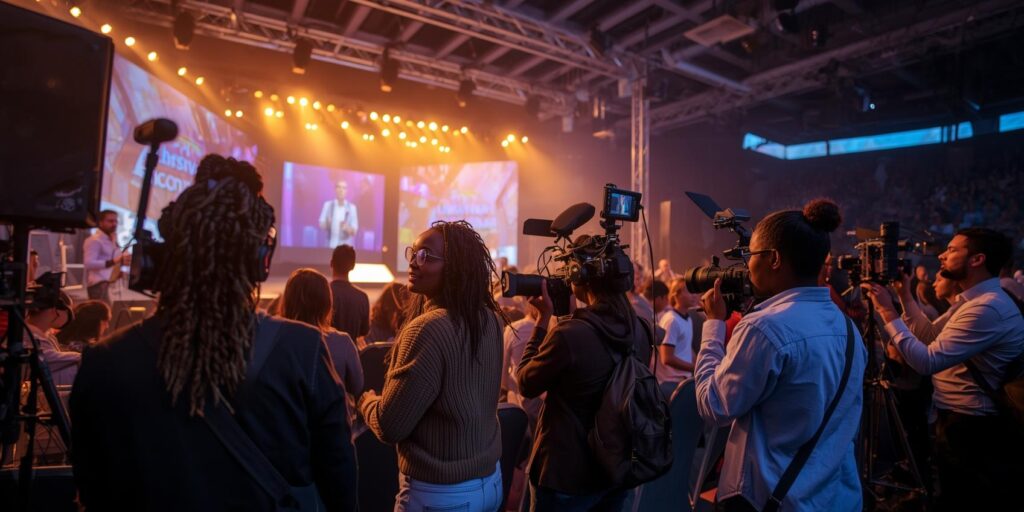
The best Christian events create moments that extend far beyond the venue and long after the last worship song fades. They generate stories that get shared, content that inspires, and experiences that people can’t wait to tell others about. The difference between an event that simply happens and one that creates lasting impact often comes down to one critical factor: strategic media support.
Whether you’re planning a conference, worship night, outreach event, youth gathering, or ministry launch, integrating strong media support from the beginning transforms how people experience the event in person and how your message reaches those who couldn’t attend. This isn’t about adding a few cameras as an afterthought-it’s about weaving media strategy into the very fabric of your event planning.
Before booking venues or confirming speakers, get crystal clear on what you want this event to accomplish. Your media strategy should serve your event goals, not exist as a separate effort running parallel to them.
Define your primary objectives with specificity. Are you trying to reach unchurched people in your community? Equip leaders with new skills and vision? Create an encounter with God’s presence? Launch a new initiative or ministry? Raise awareness about a cause? Each objective requires different media approaches and different success metrics.
Identify your target audience with precision. Understanding exactly who you’re trying to reach determines everything from your messaging tone to your platform choices to your visual aesthetic. A youth event requires completely different media support than a leadership conference or a community outreach.
Determine how media will extend your event’s impact. Will you stream it live to reach remote audiences? Create promotional content to fill the venue? Capture content for ongoing discipleship and teaching? Document testimonies and stories? Build momentum for future events? Your answers shape your media team structure, equipment needs, and production approach.
Establish what success looks like in measurable terms. This might include specific attendance numbers, engagement metrics for live streaming, social media reach and interaction, content pieces created for future use, or stories and testimonies captured. Concrete goals keep your media efforts focused and allow for meaningful post-event evaluation.
One of the most common mistakes in event planning is treating media as an optional add-on rather than an essential component. If you want professional media support, you must budget for it appropriately from the beginning.
Allocate resources for key media investments including videography and photography services, either through hiring professionals or compensating skilled volunteers. Consider audio and visual equipment rentals or purchases, streaming technology and bandwidth, graphic design for promotional materials and event branding, social media advertising to reach your target audience, and post-production editing and content creation.
A helpful rule of thumb is to allocate 15-20% of your total event budget to media and marketing efforts. This might seem significant, but remember that poor media support can make even the best event feel small and poorly executed, while strong media presence makes a modest event feel significant and well-run.
Consider the return on investment. Money spent on capturing high-quality content from your event creates assets you can use for months or years afterward. A single well-produced promotional video can drive attendance for future events. Professional event documentation becomes teaching material, fundraising content, and promotional assets that compound in value over time.
Look for creative funding solutions if budget is tight. Partner with local media professionals who might donate services in exchange for exposure or portfolio pieces. Approach sponsors who might fund specific media elements in exchange for recognition. Recruit skilled volunteers and invest in feeding them well and providing great experiences. Consider which media elements are truly essential versus nice-to-have, and prioritize accordingly.